

Spine surgery
Spinal surgery · Herniated disc surgery · Back surgery · Joint surgery · Scoliosis surgery in Vienna
My philosophy – operations only when necessary
The spine is the pillar that carries us through life every day. If it is damaged, movement, quality of life, and independence can be severely restricted.
I only consider spinal surgery as a last resort. I recommend surgery on the spine, intervertebral discs, or joints when conservative and complementary therapies have demonstrably no prospect of success or when further delay would lead to a significant deterioration – for example, in cases of severe pain or neurological deficits.
For many years I have regularly performed surgeries in the orthopedic department of the Penzing Clinic in Vienna. I have extensive experience in treating a wide variety of spinal disorders and have performed surgical procedures on the spine for many years.
My surgical focus lies in general spinal surgery, disc surgery, scoliosis surgery, joint surgery and also in complex cases such as deformities, scoliosis or short stature.
I personally care for my patients – from the decision to have surgery through the surgical procedure itself to aftercare and long-term monitoring of the treatment success.
Depending on insurance coverage and individual circumstances, the operation can be performed as a public health insurance operation at the orthopedic department of the Penzing Clinic or as a private operation at the Penzing Clinic or a private hospital.

Operational range of services
Excerpt of my operational service portfolio:
- Personal care before, during and after the operation
- Spinal surgery for degenerative and structural diseases
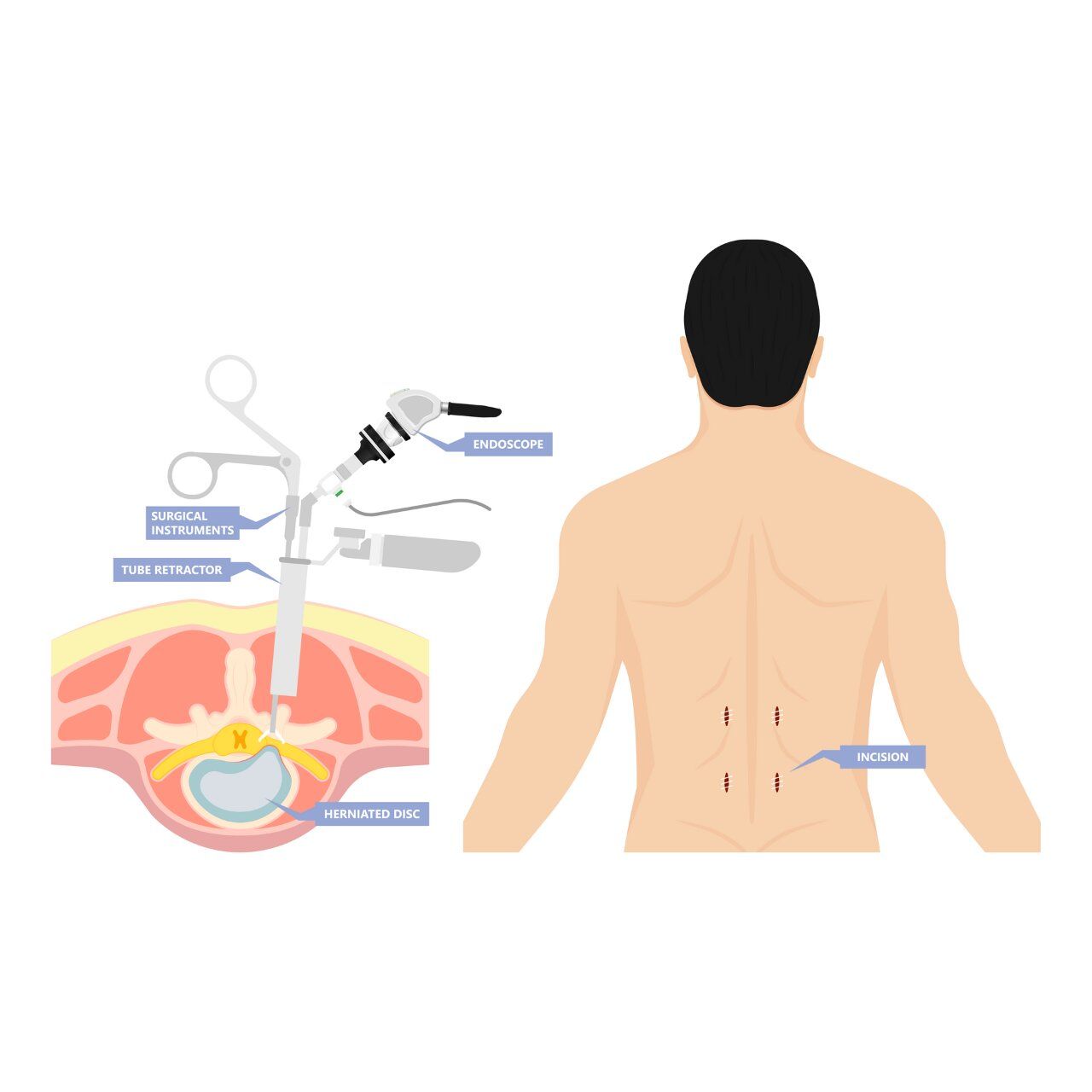
- Endoscopic and microsurgical disc operations
- Surgery for vertebral slippage (spondylolisthesis)
- Decompression for spinal canal and foraminal stenosis
- Intrathecal infiltrations of the spine
- Surgery for vertebral fractures
- Scoliosis surgery in adolescents and adults
- Joint surgery & endoprosthetics (artificial joints)
- Arthroscopic procedures
Surgical spinal treatment in Vienna
Not every spinal condition requires surgery. Many conditions can be successfully treated conservatively. However, if there is severe pain, neurological deficits, or progressive functional limitations, surgery may be advisable.
As a senior physician at the Orthopedic Clinic Penzing and a specialist in orthopedics and orthopedic surgery, I treat a wide range of surgical spinal diseases – from herniated discs and nerve compression to deformities such as scoliosis and other spinal misalignments.
I accompany my patients from the initial diagnosis through surgical planning to aftercare and long-term monitoring. I place particular emphasis on individual consultation and a careful consideration of all conservative and surgical treatment options.
Among the most common conditions I treat surgically are herniated discs, spinal stenosis, foraminal stenosis, spondylolisthesis, spondylolysis, cervical spine disorders, vertebral fractures, degenerative spinal diseases, and deformities such as scoliosis and hyperkyphosis.
The goal of every operation is to alleviate pain, relieve pressure on nerve structures, restore the stability of the spine, and sustainably improve the quality of life.
Every surgical decision is made individually and is based on a thorough clinical examination, modern imaging techniques, and personal consultation. Careful diagnostics, individualized surgical planning, and close follow-up care are intended to create the best possible conditions for a successful treatment outcome.

Frequently asked questions about the operations
When is spinal surgery truly necessary?
Spinal surgery is advisable when severe pain or neurological deficits persist or worsen despite consistent conservative therapy.
Is everything else always tried before an operation?
Yes. Surgery is always the last option. Physiotherapy, injections, acupuncture, micronutrients (dietary supplements), Chinese medicine, or other conservative measures are carefully exhausted beforehand.
Can spinal surgery completely eliminate pain?
The goal of surgery is to improve symptoms and quality of life. However, the success of individual treatment depends on many factors, including diagnosis, duration of illness, comorbidities, and the condition of the affected nerve structures. Therefore, a specific outcome cannot be guaranteed.
What is the care like before and after the operation?
I personally accompany my patients throughout the entire treatment process – from the decision to have surgery to the procedure itself, aftercare, and long-term monitoring of the treatment success.
When does a herniated disc require surgery?
Not every herniated disc requires surgery. Surgery may be advisable if severe pain persists despite conservative treatment, neurological deficits occur, or quality of life is significantly impaired. The goal of surgery is to relieve pressure on the affected nerve and reduce symptoms.
What happens during surgery for a herniated disc?
During disc surgery, the herniated disc tissue that is pressing on nerve structures is removed. The procedure is often performed microsurgically and with as little tissue damage as possible. The goal is to relieve the pressure on the nerve and improve pain and neurological symptoms.
What types of disc surgeries do you perform?
I perform endoscopic and microsurgical disc operations, which are particularly gentle on tissue and allow for rapid rehabilitation.
When should scoliosis be surgically corrected?
Surgery is indicated for curvatures exceeding 50°. The goal of the surgery is to correct and stabilize the spine. This can prevent the curvature from progressing and improve spinal balance. The extent of the correction depends on the individual patient's initial condition.
Can scoliosis be surgically corrected in adulthood?
Yes. Scoliosis surgery is possible and advisable in adulthood if pain, postural problems, or organ strain are present. The type of procedure depends on the patient's age.
What is spinal stenosis (vertebral stenosis) and when is it treated surgically?
Spinal stenosis (vertebral stenosis) is a narrowing of the spinal canal. This narrowing puts pressure on the spinal cord and can cause, in particular, pulling pain in both legs and limited mobility. Surgery is considered if the symptoms persist or worsen despite conservative treatment.
How is spinal canal stenosis (vertebral stenosis) treated surgically?
During the operation, the narrowing of the spinal canal is removed, relieving pressure on the spinal cord. Depending on the cause and the stability of the spine, additional stabilization may be necessary. The goal is to improve mobility, walking ability, and quality of life.
When does foraminal stenosis require surgery?
Foraminal stenosis occurs when the nerve exiting the spinal canals are narrowed. If this leads to radiating pain, sensory disturbances, or muscle weakness, surgical widening of the affected nerve canals may be advisable.
What is spondylolysis?
Spondylolysis is a defect in the vertebral arch. It occurs during the growth of the spine—for example, in sports involving excessive arching of the back—and can cause back pain or spinal instability. Not every case of spondylolysis requires surgery. Treatment depends on the symptoms and the degree of instability.
When does spondylolisthesis require surgery?
In spondylolisthesis, one vertebra shifts relative to the vertebra below it. If this leads to persistent pain, neurological symptoms, or instability, surgery may be necessary. The goal is to stabilize the spine and relieve pressure on the affected nerves.
What happens during surgery for spondylolisthesis?
Depending on the findings, the nerves are relieved and the affected vertebrae are permanently stabilized using modern stabilization systems. The exact surgical method is individually tailored to the condition.
When is surgery on the cervical spine necessary?
Surgery on the cervical spine may be necessary in cases of herniated discs, nerve compression, or spinal cord compression. Common symptoms include neck pain, radiating arm pain, sensory disturbances, or neurological deficits.
What are the goals of cervical spine surgery?
The goal is to relieve pressure on nerves or the spinal cord, improve neurological symptoms, and restore function and quality of life. The exact surgical method depends on the underlying condition.
What is hyperkyphosis?
Hyperkyphosis refers to an excessive rounding of the thoracic spine. In pronounced cases, it can lead to pain, postural restrictions, and functional problems.
When is hyperkyphosis treated surgically?
Surgery is only recommended for selected patients if the misalignment is severe, causes discomfort, or worsens. The goal is to improve spinal alignment and posture.
Do vertebral fractures always require surgery?
No. Many vertebral fractures can be treated conservatively. Surgery is considered when the stability of the spine is compromised, there is severe pain, or neurological structures are affected.
What treatment options are available for vertebral fractures?
Depending on the type and extent of the fracture, minimally invasive procedures or stabilizing surgeries may be considered. The goal is to restore stability, reduce pain, and enable mobilization as quickly as possible.
When is surgery advisable for spinal degeneration?
Degenerative changes in the spine are among the most common causes of back pain. Surgery is considered when conservative measures do not provide sufficient relief and the symptoms permanently impair quality of life.
